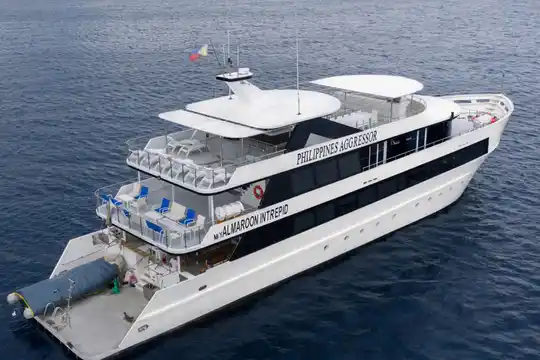
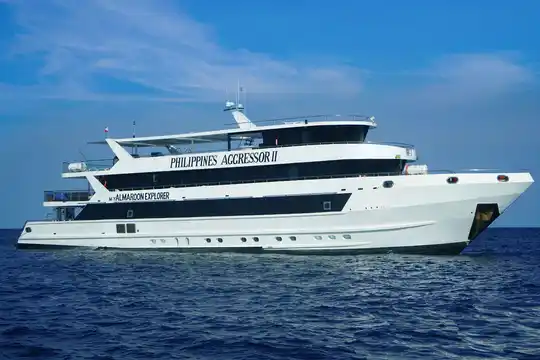
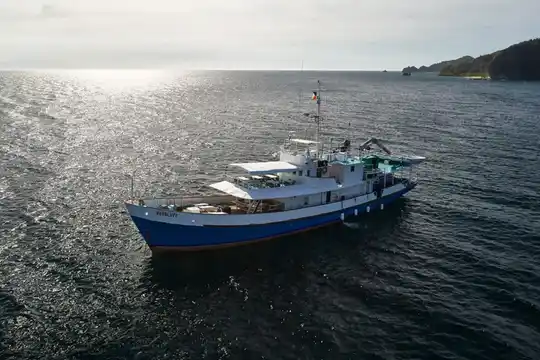
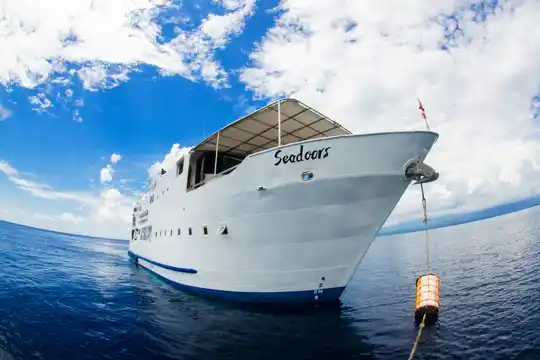
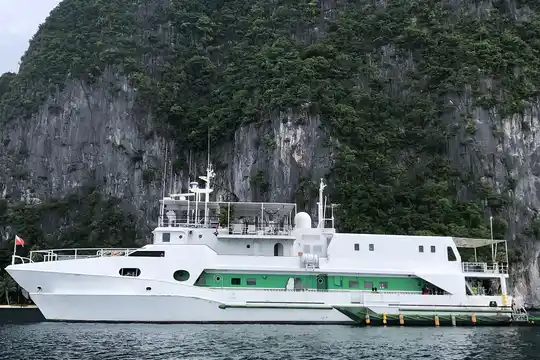
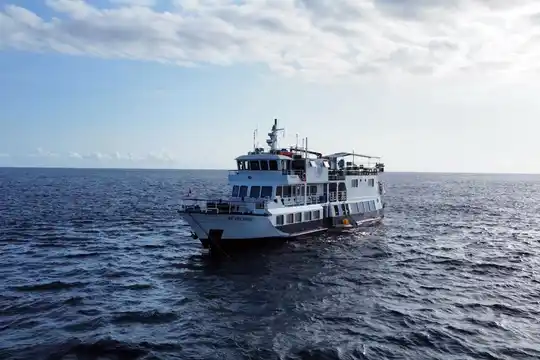
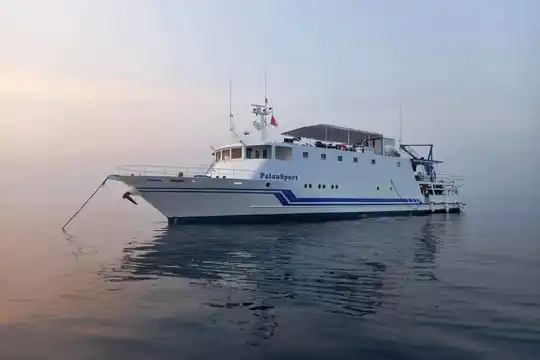
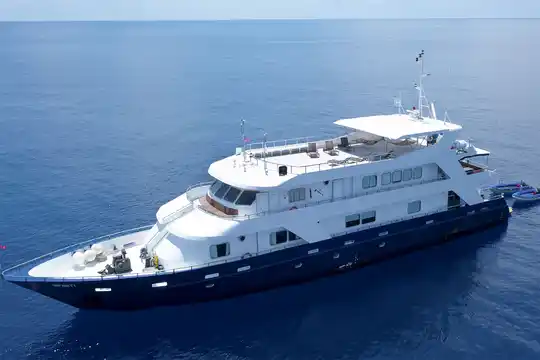
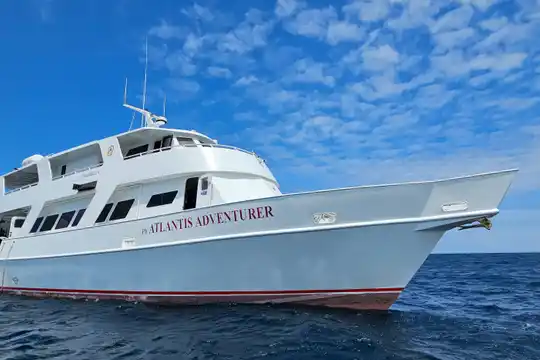
A boat based dive rhythm
Days often start early, with dives or water time spaced around meals, briefings and short relocations. The exact schedule depends on weather, guide decisions and the route, especially on expeditions that combine wrecks, reefs and quiet overnight anchorages.
Cabins, shared spaces and meals
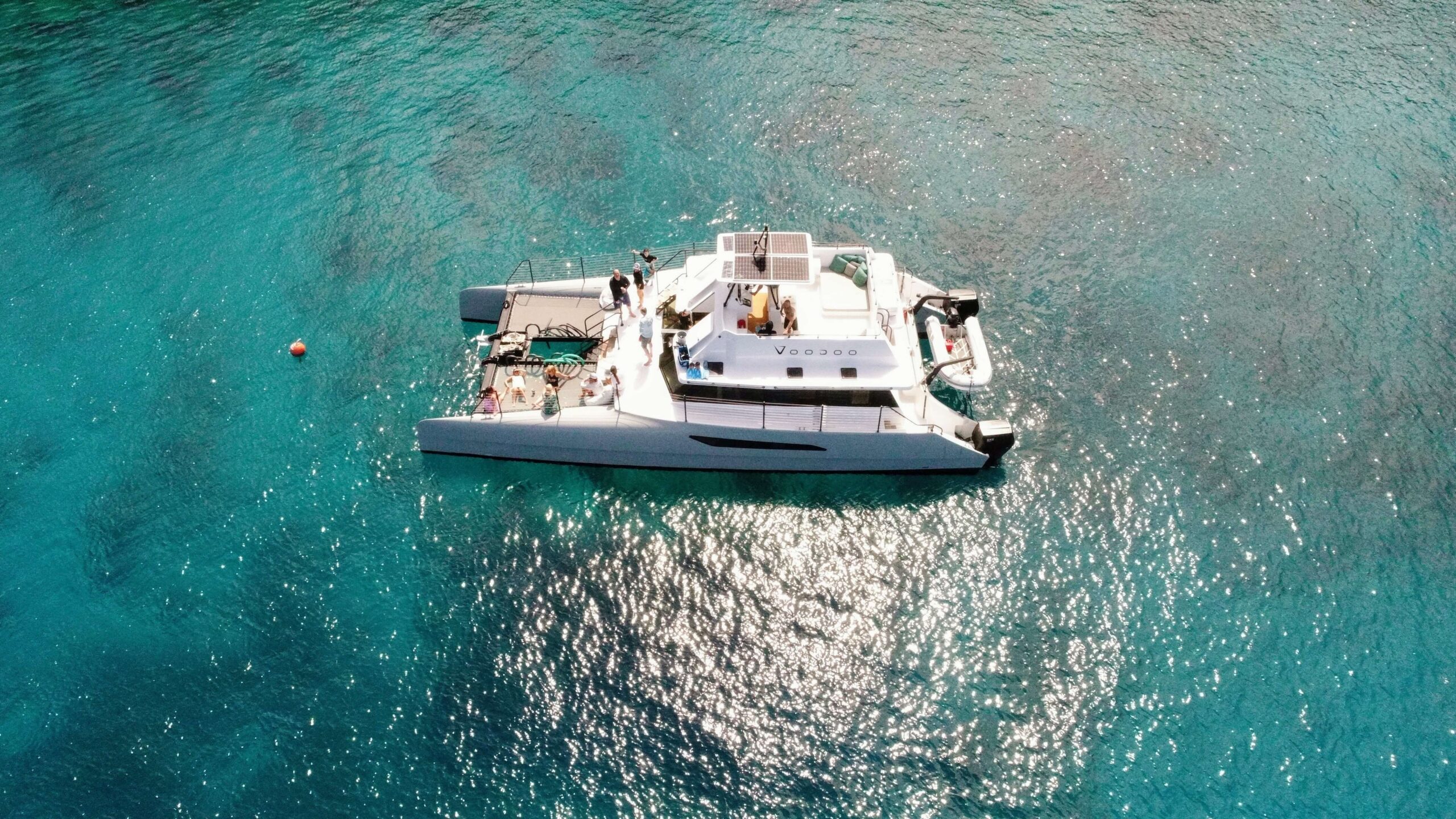
Accommodation ranges from simple cabins to more comfortable private rooms, with communal decks for gear, dining and downtime. Listings usually explain sleeping arrangements, whether equipment is included and how much onboard service to expect between activities.
Routes shaped by conditions
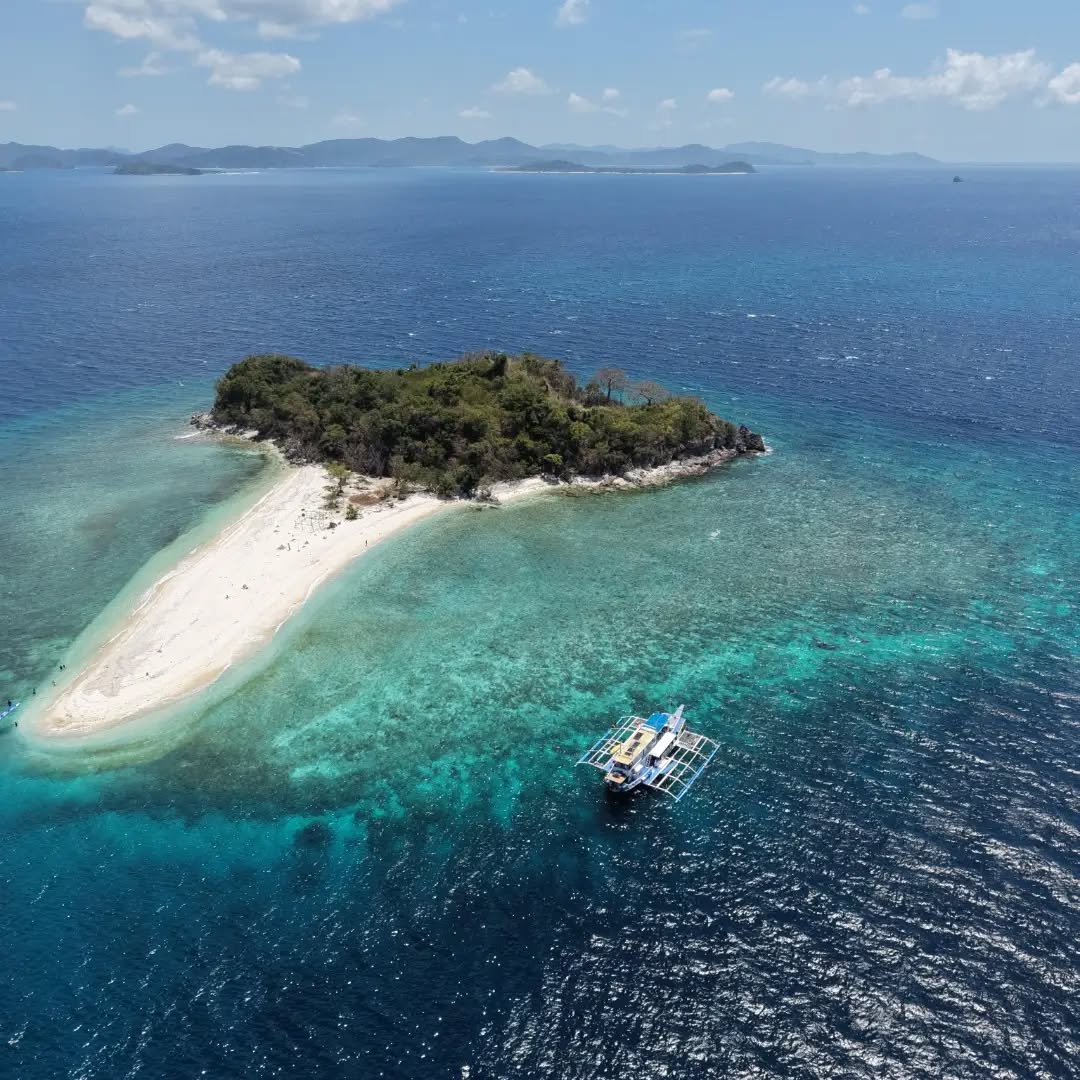
Coron and the Calamian Islands are common liveaboard areas, but longer voyages may vary by season and permits. Some trips mention Tubbataha Reefs, a protected area in the Sulu Sea usually visited around March to June under its own rules and entry requirements.
Liveaboard Trips work best around Coron, Busuanga and the Calamian Islands, where wrecks, reefs and island anchorages are close enough to link into a route. Conditions are often steadier in the roughly drier months from November to May, though longer expeditions can follow narrower seasonal windows and official rules.
Do Liveaboard Trips in Palawan require certification?
Many Liveaboard Trips in Palawan are aimed at certified divers, especially when they include wreck diving or repeated scuba days. Some departures may welcome non divers or mixed groups, but the listing should say so clearly. Divers should stay within certification limits and follow the guide.
Are Palawan liveaboards suitable for first time divers?
Some Palawan liveaboards suit experienced certified divers more than absolute beginners, because the trip format is built around repeated water sessions and boat living. A beginner friendly option will usually say so on the listing. If you are new, check the route, support level and whether non diving time is enjoyable too.
Can I fly after a Palawan liveaboard trip?
After diving from a Palawan liveaboard, travellers should not fly until the recommended surface interval has passed. The exact guidance can change, so it is best to check current dive industry recommendations and listen to the dive leader. Planning an extra buffer day before a flight is often sensible.