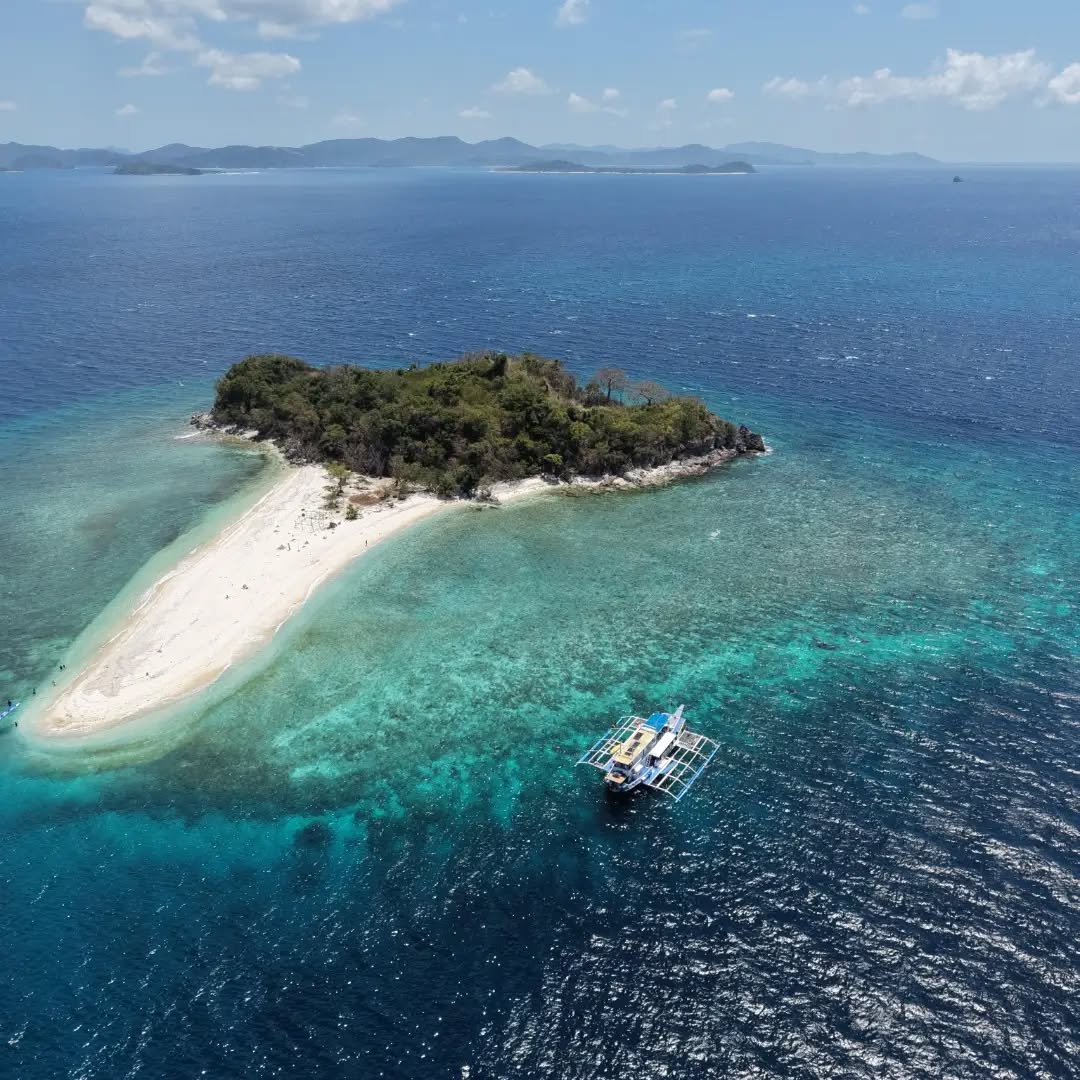
Sea views all the way
The reward on a coastal walk is constant scenery, changing water colour, cliffs, beaches and open sky. Even short routes can feel memorable, but they are often exposed, so sun protection matters from the start.
No activities found. Try adjusting your filters.
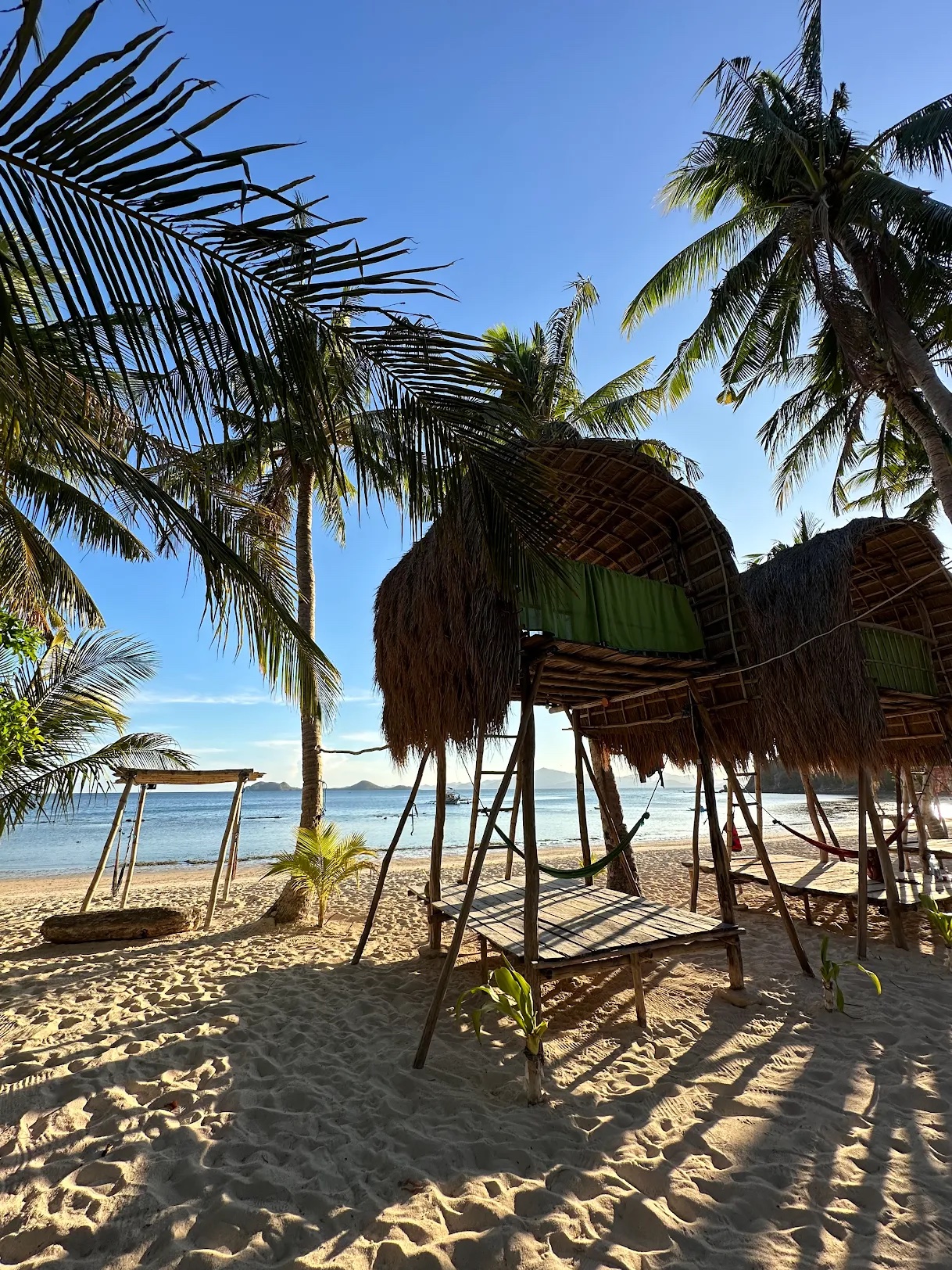
Coastal walks in Palawan are gentle to moderate outings along beaches, coves and headlands where the sea stays in view for much of the route. They suit travellers who want fresh air and scenery without committing to a more demanding inland trek. Expect sun exposure, sand, uneven rock and a pace shaped by tides, heat and photo stops.
The reward on a coastal walk is constant scenery, changing water colour, cliffs, beaches and open sky. Even short routes can feel memorable, but they are often exposed, so sun protection matters from the start.
You may move between sand, packed earth, stones, roots or short rocky sections depending on the route. That makes shoes with grip a safer choice than beach flip flops, especially if the tide leaves surfaces wet and slick.
Many hosts prefer earlier departures because shade is limited and the shoreline gets hotter fast. Walks can also feel different with tide, swell or rain, so some routes are better as flexible plans rather than fixed expectations.
Coastal walks are most likely around El Nido, Port Barton, Coron and parts of Busuanga where beaches, coves and shoreline viewpoints are accessible on foot. Dry season usually brings easier ground and calmer planning. Start early, and expect some routes to change if swell, rain or high water affect the shore.
Some are easy, but not all. A shoreline walk can still include heat, exposed sections, soft sand or slippery rocks. Read the route description rather than judging by distance alone, and choose based on your comfort with sun, uneven footing and time outdoors.
Light shoes or sandals with secure grip work well if the route is simple, but closed shoes are safer on rocky or mixed terrain. Avoid loose flip flops on trails with roots or wet stone. A hat and plenty of water matter just as much as footwear.
Morning is usually the most comfortable because the air is cooler and the sun is less intense. Late afternoon can also work for some routes. Midday is the hardest time, especially on exposed beaches and headlands with little shade.